
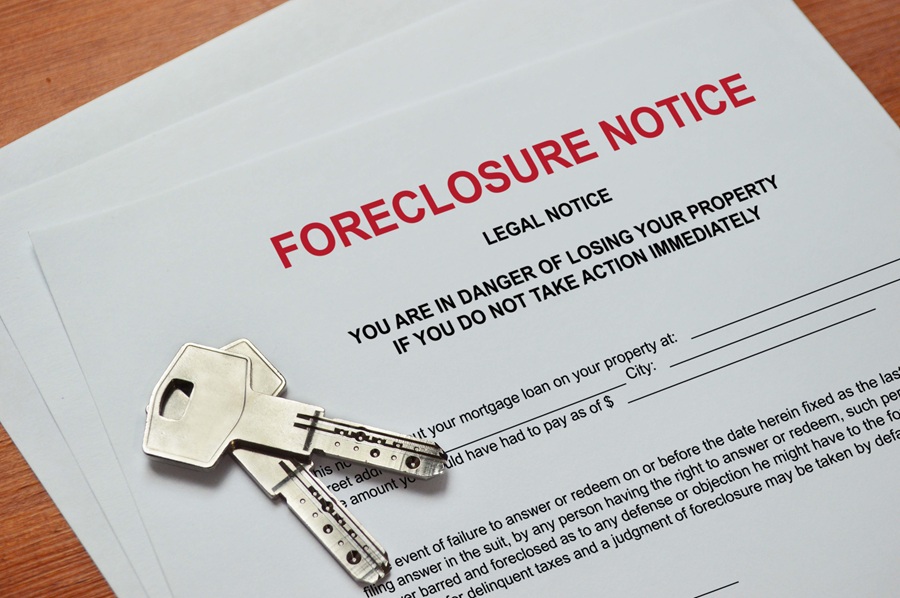
Understanding foreclosure laws is essential for homeowners experiencing financial hardship or falling behind on mortgage payments. These laws determine how and when a lender can take legal action, what notices must be provided, and what options homeowners may have to stop or delay the process. Professionals at Foreclosure Experts help homeowners navigate these legal complexities by explaining available solutions and outlining steps that may help protect their homes. Early awareness of foreclosure rules can significantly influence outcomes and prevent avoidable losses.
Foreclosure laws vary by state, but they are designed to balance lender rights with homeowner protections. Knowing how these laws work allows homeowners to respond strategically rather than react under pressure.
How the Foreclosure Process Typically Works
The foreclosure process usually begins after missed mortgage payments. Lenders must follow specific legal steps before reclaiming a property. This process often includes:
- A notice of default informing the homeowner of missed payments
- A defined period to catch up on overdue amounts
- Formal notice of foreclosure proceedings
- A scheduled sale or auction if the issue is unresolved
Each stage includes strict timelines that lenders must follow. Missing deadlines or ignoring notices can limit available options, which is why understanding each phase is so important.
Homeowner Rights During Foreclosure
Homeowners are not without protections during foreclosure. Laws often require lenders to provide clear notice and allow time to resolve delinquency. Many homeowners have the right to:
- Request loan modifications or repayment plans
- Seek temporary relief through forbearance
- Challenge improper foreclosure procedures
- Sell the property before foreclosure is finalized
Understanding foreclosure laws helps homeowners recognize when their rights may be overlooked or violated. Exercising these rights early can slow the process and create opportunities for resolution.
Legal Timelines and Notices Explained
Legal timelines play a major role in foreclosure cases. Notices must be delivered properly, and lenders must wait specific periods before moving forward. These timelines give homeowners a window to take action, negotiate, or seek professional guidance.
Failing to act within these windows can accelerate foreclosure proceedings. Being informed allows homeowners to respond promptly and explore all possible alternatives before a sale occurs.
Exploring Options to Avoid Foreclosure
Foreclosure is not always inevitable. Depending on financial circumstances, homeowners may qualify for solutions that help them keep their property or exit the situation with less damage. Options may include restructuring loan terms, resolving arrears, or transitioning ownership in a controlled manner.
Clear knowledge of legal options empowers homeowners to make decisions that align with their long-term financial well-being rather than feeling forced into unfavorable outcomes.
Conclusion
Facing foreclosure can be overwhelming, but Understanding foreclosure laws gives homeowners clarity, control, and the ability to act decisively. By knowing how the process works, what rights exist, and how legal timelines affect outcomes, homeowners can make informed decisions during a challenging time. With proper knowledge and timely action, it is often possible to reduce risks, protect assets, and pursue the best available path forward.