
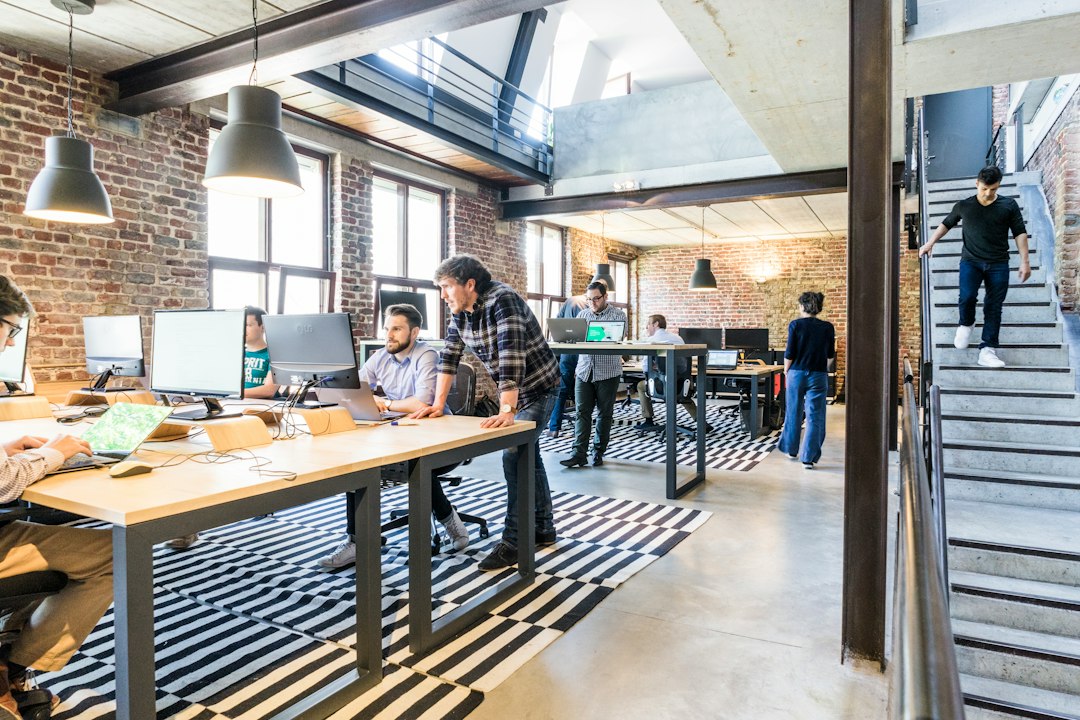
Industrial property has traditionally been associated with practicality, capacity, and operational efficiency, but contemporary development is placing greater emphasis on the quality of design. Modern businesses increasingly expect industrial spaces to provide efficient workflows, attractive surroundings, adaptable layouts, and technology-ready infrastructure. Hannas reflects this changing perspective, where considered design is becoming an important element in creating industrial developments that combine functionality with long-term commercial value.
In This Article
- What’s Covered
- Why is design becoming more important in industrial property?
- How does design influence operational efficiency?
- What role does adaptability play in industrial design?
- How does architectural quality contribute to industrial developments?
- Why is the employee environment receiving more attention?
- How is technology influencing industrial design?
- What role does sustainability play in industrial design?
- How does site design affect the wider industrial environment?
- Can strong design support long-term property value?
- What is the future of industrial design?
- Conclusion
- The Short Version
What’s Covered
- Why is design becoming more important in industrial property?
- How does design influence operational efficiency?
- What role does adaptability play in industrial design?
- How does architectural quality contribute to industrial developments?
- Why is the employee environment receiving more attention?
- How is technology influencing industrial design?
- What role does sustainability play in industrial design?
- How does site design affect the wider industrial environment?
- Can strong design support long-term property value?
- What is the future of industrial design?
- Conclusion
Why is design becoming more important in industrial property?
The role of industrial buildings has expanded as businesses adopt advanced logistics, automation, digital systems, and more sophisticated operating models. A building now needs to accommodate a broader range of activities while maintaining efficient use of space.
Good design can help bring these requirements together. Practical layouts, clear circulation, appropriate access, and carefully planned facilities can create environments where businesses can operate efficiently while presenting a professional image.
How does design influence operational efficiency?
Industrial operations depend on the movement of products, equipment, vehicles, and people. The arrangement of these elements can have a direct effect on workflow.
Thoughtful design can position loading areas, storage spaces, entrances, offices, and vehicle routes in ways that support smoother movement. Efficient spatial planning can help businesses make better use of their facilities and create more organised operating environments.
What role does adaptability play in industrial design?
Business requirements can change throughout the life of a property. Companies may expand their workforce, increase inventory, introduce automation, or modify distribution processes.
Contemporary industrial design can respond to these changes through flexible floor areas, adaptable configurations, and infrastructure capable of supporting new equipment. This approach can help properties remain useful as businesses evolve.
How does architectural quality contribute to industrial developments?
Industrial properties can combine functionality with a strong visual identity. Contemporary façades, quality materials, landscaping, signage integration, and well-considered entrances can create a more professional environment.
A distinctive appearance can strengthen the identity of a business while contributing to the overall character of an industrial estate. Good architecture therefore adds value without compromising operational requirements.
Why is the employee environment receiving more attention?
Industrial facilities are workplaces, making the experience of employees an increasingly important consideration. Natural light, ventilation, accessible amenities, safe circulation, landscaping, and comfortable staff areas can contribute to a better working environment.
People-focused design can complement operational performance by creating spaces that support employees as well as business processes.
How is technology influencing industrial design?
Technology is increasingly integrated into industrial operations through automation, digital inventory systems, security solutions, communications, and energy management.
Designing for these technologies from the beginning can make facilities more adaptable. Appropriate power, connectivity, security infrastructure, and spatial planning can provide businesses with a stronger foundation for technological growth.
What role does sustainability play in industrial design?
Sustainable design is becoming an important feature of contemporary industrial property. Energy-efficient lighting, water management, responsible materials, landscaping, and efficient building systems can improve resource use.
Sustainability can also contribute to long-term operating efficiency. By incorporating environmental considerations into design, industrial developments can create more responsible and future-focused spaces.
How does site design affect the wider industrial environment?
An industrial building is part of a larger estate and surrounding community. Roads, landscaping, parking, access routes, shared facilities, and neighbouring properties all influence the overall experience.
Integrated site design can improve movement and connectivity while creating a more attractive and organised industrial environment. This broader approach helps ensure that individual buildings contribute positively to their surroundings.
Can strong design support long-term property value?
Design quality can influence how useful and appealing an industrial property remains over time. Functional layouts, adaptable spaces, durable materials, modern infrastructure, and attractive presentation can help maintain relevance as market expectations change.
Long-term value is therefore closely connected to how effectively a property responds to both current and future requirements.
What is the future of industrial design?
The next generation of industrial developments is likely to combine operational efficiency with greater architectural quality, technology readiness, sustainability, and workplace consideration.
Businesses will increasingly look for facilities that support their complete operational needs rather than simply providing floor space. This creates opportunities for design to become a defining feature of modern industrial property.
Conclusion
Design is becoming an increasingly influential part of contemporary industrial development. Efficient layouts, adaptability, architectural quality, technology, sustainability, and employee-focused planning can work together to create industrial spaces that deliver more than basic functionality. By giving thoughtful design a central role, modern developments can provide businesses with attractive, efficient, and future-ready environments capable of supporting long-term commercial growth.
The Short Version
- Contemporary industrial development emphasizes quality design alongside traditional factors such as practicality and operational efficiency.
- Modern industrial properties need to accommodate advanced logistics, automation, and digital systems while maintaining efficient use of space.
- Good design contributes directly to operational efficiency by enhancing the arrangement of loading areas, storage spaces, and employee circulation.
- Sustainable design features, such as energy-efficient systems and responsible materials, are becoming increasingly important in contemporary industrial properties.
- The employee environment is receiving heightened attention, with design considerations that include natural light, ventilation, and comfortable staff areas.
- Long-term property value is influenced by design quality, with functional layouts and attractive presentation helping properties remain relevant as market expectations evolve.
Key Points
- Contemporary industrial property development is emphasizing the quality of design alongside traditional aspects like practicality and efficiency.
- Modern businesses require industrial spaces to facilitate efficient workflows, attractive designs, adaptable layouts, and infrastructure ready for technology integration.
- Adaptability in industrial design allows for changes in business needs, accommodating expansions, automation, and modifications in distribution processes.
- A focus on architectural quality in industrial properties enhances functionality while creating a professional image, benefiting both the business and the industrial estate.
- Sustainability in industrial design incorporates energy efficiency and responsible materials, contributing to long-term operational effectiveness and resource use.
- Future industrial developments are expected to prioritize operational efficiency, architectural quality, technology integration, sustainability, and employee experience.