
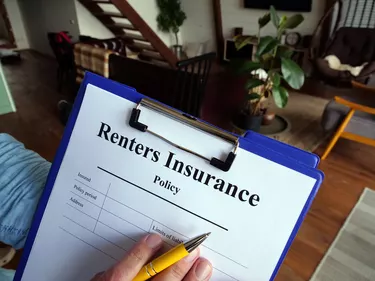
Renting a home in Hawaii often brings the bliss of island living—picturesque beaches, tropical breezes, and stunning sunsets. But being a renter also comes with responsibilities, including protecting your belongings and financial well-being in case of unexpected events. That’s where Hawaii renters insurance steps in. Whether you’re renting a cozy apartment in Waikiki or a charming house in Hilo, hawaii renters insurance is a crucial safeguard for your peace of mind.
What is Renters Insurance?
Renters insurance is a type of policy designed specifically for tenants. Unlike homeowners insurance, which covers the structure of the home, renters insurance focuses on protecting the renter’s personal belongings and providing liability coverage. Despite being affordable, many renters in Hawaii remain unaware of its benefits—or mistakenly think their landlord’s insurance covers them.
Statistics reveal that only 37% of renters nationwide carry renters insurance, highlighting a big coverage gap. For Hawaii renters, where property damage from natural events like hurricanes or floods is not uncommon, this gap could lead to significant financial losses.
What Does Hawaiian Renters Insurance Cover?
Understanding exactly what Hawaiian renters insurance includes is key to maximizing its benefits. While policies may differ slightly depending on the provider, most standard renters insurance covers three main areas:
1. Personal Property Coverage
This is the backbone of renters insurance. Personal property coverage protects your belongings from damage or loss caused by events like theft, fire, or storms. Picture this—a tropical storm damages your rental unit, flooding your living room and destroying your electronics and furniture. Renters insurance can help reimburse you for the cost of replacing those items.
It’s worth noting that the average policy covers items like furniture, clothing, electronics, and even appliances. However, high-value items such as jewelry may need additional coverage. A common tip? Creating a home inventory (complete with receipts and photos) can streamline the claims process if something unfortunate happens.
2. Liability Coverage
Liability coverage ensures you’re financially protected if someone is injured on your rental property. For instance, if your dinner guest slips on a wet floor in your kitchen and decides to file a claim, renters insurance can help cover legal fees or medical bills.
Statistics highlight why this is important. Hawaii ranks high in outdoor activities and mingling with friends, which often means more foot traffic within rental spaces. Liability coverage provides much-needed protection, offering peace of mind to renters who value social connections.
3. Additional Living Expenses (ALE)
What happens if your rental unit becomes uninhabitable due to a natural disaster or fire? ALE coverage steps in to cover temporary living expenses—whether it’s hotel stays, dining out, or storage for your belongings. Given Hawaii’s susceptibility to events like hurricanes, this component of renters insurance can be a lifesaver.
Why it’s Vital for Hawaii Renters
The unique geographic and environmental nature of Hawaii makes renters insurance a trending topic among experts and renters alike. From 2010 to 2020, reports showed that Hawaii experienced 146 natural disasters, including hurricanes, flooding, and volcanic activity. While landlords typically insure the building itself, these policies don’t extend to tenants’ personal possessions or liability claims.
Renters insurance is a simple yet powerful solution. At an average cost of $15-$20 per month, it offers robust protection for your belongings and finances in a state known for both its beauty and natural volatility.
Final Thoughts
Navigating renters insurance in Hawaii may seem daunting, but the peace of mind it offers is worth every penny. With coverage spanning personal belongings, liability protection, and additional living expenses, renters insurance acts as a safety net amidst the unpredictability of island living.
To make the most of your policy, compare providers, ensure sufficient coverage for high-value items, and review your policy regularly. After all, life in paradise is best enjoyed when you know your essentials are well-protected.