
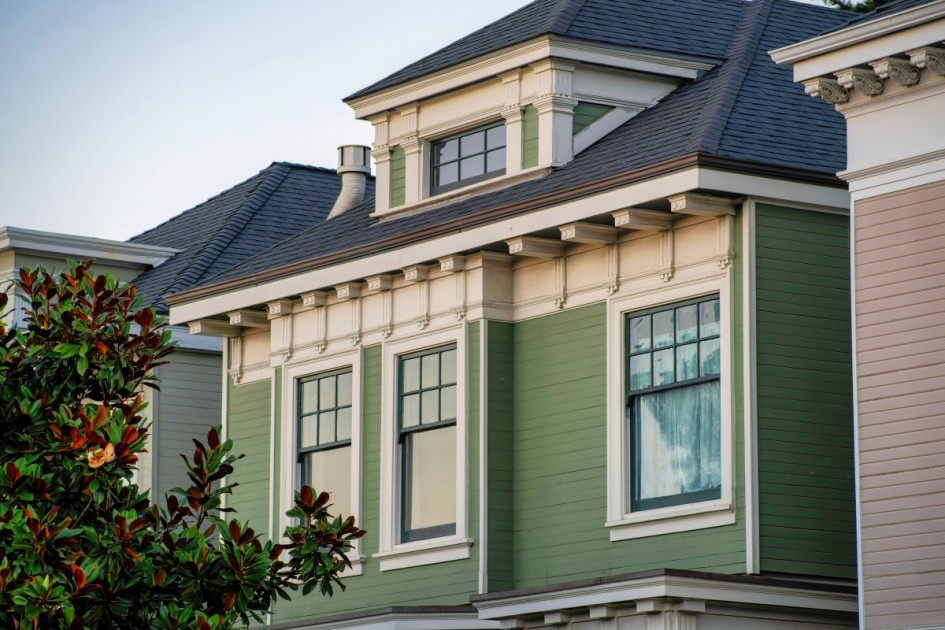
As a homeowner preparing to sell, you’re likely grappling with a common dilemma: what home upgrades truly deliver a return on investment? Among the many potential improvements, the question of replacing windows before listing your home frequently arises. It’s a significant decision, and understanding the various factors at play—from curb appeal and energy efficiency to market conditions and your budget—is crucial to making the right choice.
Let’s dive into whether new windows are a worthwhile investment for your pre-sale preparations.
The Case for Replacing Windows: A Bright Outlook
There are compelling reasons why investing in new windows can be a smart move before putting your home on the market:
Enhanced Curb Appeal and First Impressions:
Windows are a prominent feature of your home’s exterior. Modern, clean windows instantly elevate your home’s curb appeal, signaling to potential buyers that the property is well-maintained and cared for. Updated frames and a consistent aesthetic can significantly improve the overall look, leaving a strong positive first impression.
Increased Energy Efficiency and Lower Utility Bills:
In today’s market, buyers are increasingly conscious of energy costs. New, energy-efficient windows featuring double-pane glass, low-E coatings, or argon gas insulation demonstrate tangible long-term savings. This is a powerful selling point, appealing to environmentally conscious buyers and those looking for a home with lower operational costs.
Improved Comfort and Sound Insulation:
Beyond energy savings, new windows contribute to a more comfortable living environment. They eliminate drafts, hot spots, and cold spots, ensuring consistent indoor temperatures. Additionally, modern windows offer superior sound insulation, reducing outside noise—a significant benefit, especially for homes in busy areas.
Potential for Higher Sale Price and Faster Sale:
Homes with new windows often command a higher sale price. Buyers are frequently willing to pay more for a “move-in ready” home that doesn’t require immediate, costly upgrades. New windows can reduce buyer objections during negotiations and help your home stand out from competitors with older, less efficient windows, potentially leading to a quicker sale.
Safety and Security Upgrades:
Modern windows come equipped with advanced locking mechanisms, offering enhanced security. Some even offer impact-resistant glass options, providing an additional layer of safety and peace of mind for future homeowners.
The Case Against Replacing Windows: Weighing the Costs
While the benefits are clear, there are also valid reasons to reconsider a full window replacement before selling:
Significant Upfront Cost:
Window replacement is a major investment. The average cost per window, multiplied across your entire home, can quickly add up. It’s important to understand that you may not recoup the full investment, as the return on investment (ROI) can vary widely based on your location and market.
Time and Inconvenience:
The installation process can be disruptive, involving workers in your home for several days or even weeks, depending on the number of windows. This can delay your ability to list the home, especially if you’re on a tight schedule.
Buyer Preferences Vary:
Not all buyers prioritize new windows. Some may prefer to choose their own style or type of windows, or they might be more focused on other features of the home. What one buyer sees as a major upgrade, another might consider a neutral feature.
Diminishing Returns in Certain Markets:
In a strong seller’s market, where demand outstrips supply, less significant upgrades might be sufficient to attract buyers. If your home has other major components (like an old roof or HVAC system) that also need attention, new windows alone might not be enough to significantly boost its appeal.
Focus on Other High-ROI Projects:
Historically, kitchen and bathroom renovations often yield higher returns on investment compared to window replacements. Minor cosmetic fixes like fresh paint or updated landscaping can also be more cost-effective ways to boost curb appeal and attract buyers.
Factors to Consider Before Deciding
To make an informed decision, a real estate agent would advise you to consider these crucial factors:
Condition of Existing Windows:
Are your current windows severely damaged, drafty, difficult to open or close, or showing signs of rot or condensation? If they are in very poor condition, replacement might be necessary. However, minor issues might be resolved with professional repairs rather than a full overhaul.
Your Local Real Estate Market:
What are buyer expectations in your specific area? Are luxury homes in your neighborhood expected to have new, high-end windows, or are starter homes selling quickly regardless of window age? Research the average days on market and what comparable homes in your area are offering.
Your Budget and Financial Goals:
Can you comfortably afford the investment without straining your finances? What is your desired net profit from the sale, and how would the cost of new windows impact that?
Target Buyer Demographics:
Who are you trying to attract? If your target buyers are young families or eco-conscious individuals, they might place a higher value on energy efficiency and modern features.
Timeframe for Selling:
Do you have enough time for the entire window replacement project, including ordering, delivery, and installation, before you need to list your home?
Return on Investment (ROI) Expectations:
While national averages provide a guide (like Remodeling Magazine’s Cost vs. Value report), research the typical ROI for window replacement specifically in your area. Consider the “value add” beyond just monetary return, such as the ease of sale and reduced negotiation.
Alternatives to Full Replacement
If a full window replacement isn’t feasible or desirable, consider these alternatives to improve your home’s appeal:
Professional Cleaning and Repair:
A thorough cleaning can make a surprising difference. Address any minor repairs, such as broken panes or faulty latches.
Weatherstripping and Caulking:
This is a cost-effective way to improve energy efficiency by sealing drafts around existing windows.
Repainting or Staining Frames:
Freshening up the frames can significantly improve the aesthetic without the cost of full replacement.
Replacing Hardware:
New locks, handles, and other hardware can give older windows a more updated look.
Staging:
Strategic staging can draw potential buyers’ attention to your home’s best features and away from any less-than-perfect windows.
Ultimately, there’s no one-size-fits-all answer to whether you should replace your windows before listing your home. The decision hinges on a careful evaluation of your existing windows’ condition, the dynamics of your local real estate market, your budget, and your target buyer.
The best course of action is to consult with a knowledgeable real estate agent. They can provide personalized advice, offering insights into what buyers in your specific market value most and helping you prioritize upgrades that will maximize your home’s appeal and value without unnecessary overspending. Your goal is to make strategic improvements that lead to a successful sale.